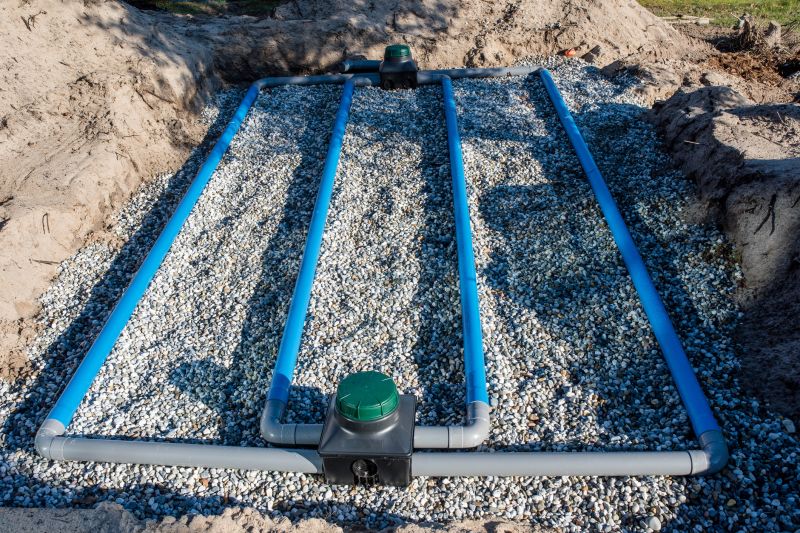
Septic System Relocation in Austin, TX
Septic system relocation services involve moving an existing septic tank and associated components to a new location on a property. This process is often necessary when property development, landscaping projects, or changes in property use require the septic system to be repositioned for better functionality or compliance. Projects typically include assessing the current system, planning a suitable new site, and carefully excavating and installing the septic components in the new location to ensure proper operation and adherence to local regulations.
Property owners interested in septic system relocation should understand the importance of site evaluation, including soil conditions and accessibility, as well as any necessary permits or approvals. It’s also helpful to consider the impact on property use during the relocation process and to clarify the scope of work needed, such as whether existing drain fields can be reused or if new drainage areas are required. Contacting experienced professionals can provide guidance on the best approach for relocating a septic system safely and efficiently.
Many property owners in Austin, TX look into Septic System Relocation for repairs, replacements, upgrades, and appearance-related improvements.
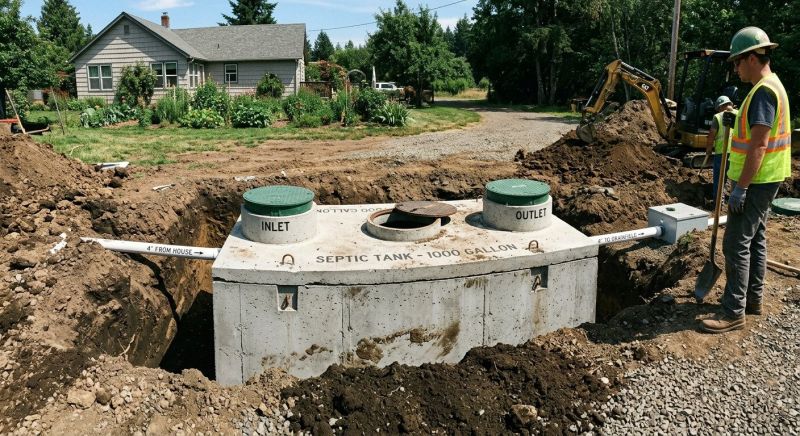
Reasons To Relocate A Septic System
Relocation may be necessary due to property expansion, site constraints, or system failure.
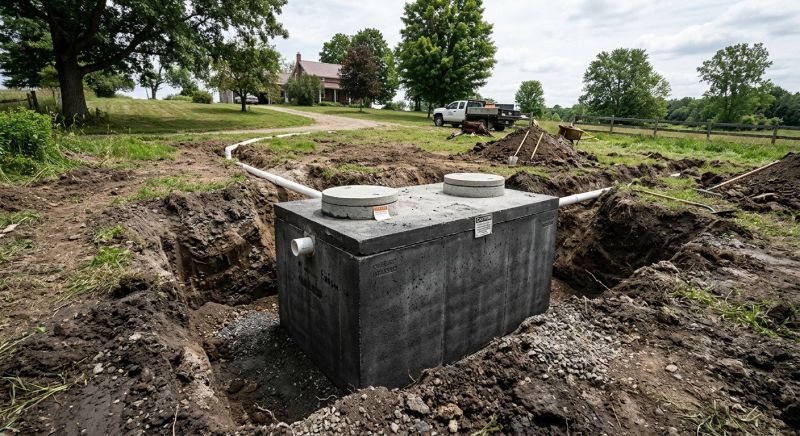
Key Considerations For Septic System Moving
Proper planning involves assessing soil conditions, property layout, and local regulations.
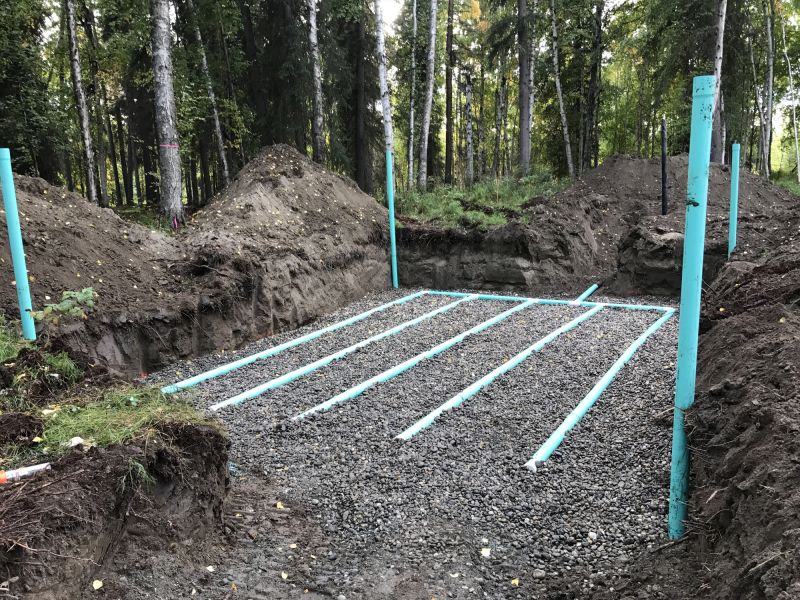
Benefits Of Septic System Relocation
Relocating a septic system can improve functionality, meet new zoning requirements, and enhance property value.
Septic System Relocation in Austin, TX
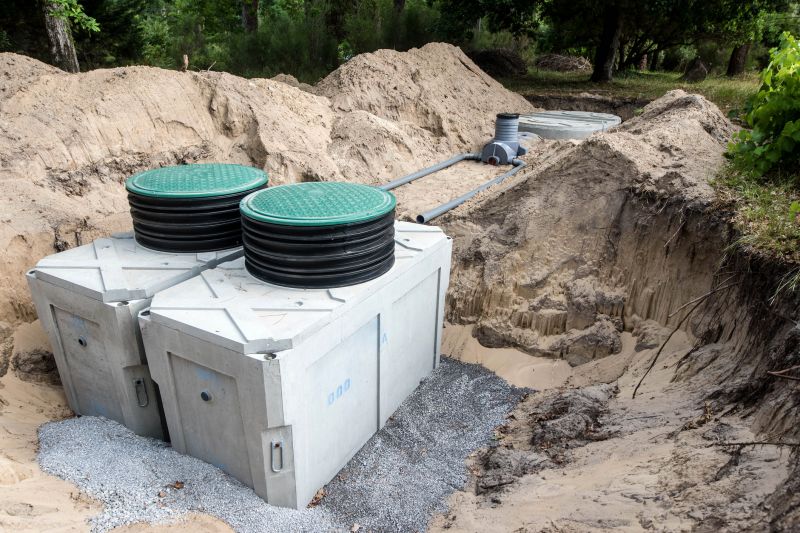
Septic system relocation services involve moving an existing septic tank and associated components to a new location on a property. This process is often necessary when property development, landscaping projects, or changes in property use require the septic system to be repositioned for better functionality or compliance. Projects typically include assessing the current system, planning a suitable new site, and carefully excavating and installing the septic components in the new location to ensure proper operation and adherence to local regulations.
Property owners interested in septic system relocation should understand the importance of site evaluation, including soil conditions and accessibility, as well as any necessary permits or approvals. It’s also helpful to consider the impact on property use during the relocation process and to clarify the scope of work needed, such as whether existing drain fields can be reused or if new drainage areas are required. Contacting experienced professionals can provide guidance on the best approach for relocating a septic system safely and efficiently.
Many property owners in Austin, TX look into Septic System Relocation for repairs, replacements, upgrades, and appearance-related improvements.
Common Septic System Relocation Jobs
Septic System Relocation - Involves moving an existing septic system to a new location on the property.
Site Assessment - Includes evaluating soil conditions and property layout to plan a safe relocation.
Permitting Support - Assists with obtaining necessary approvals for the septic system move.
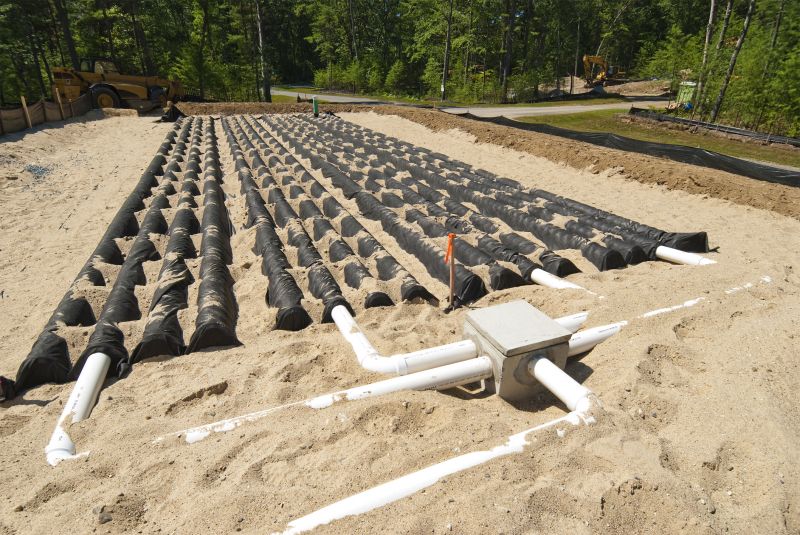
Drainfield Transfer - Entails relocating or reinstalling the drainfield to ensure proper function.
System Reconnection - Covers reconnecting the septic tank and components to the new drainfield.
Property Preparation - Involves clearing and preparing the site for the system’s new installation.
Septic System Relocation Questions
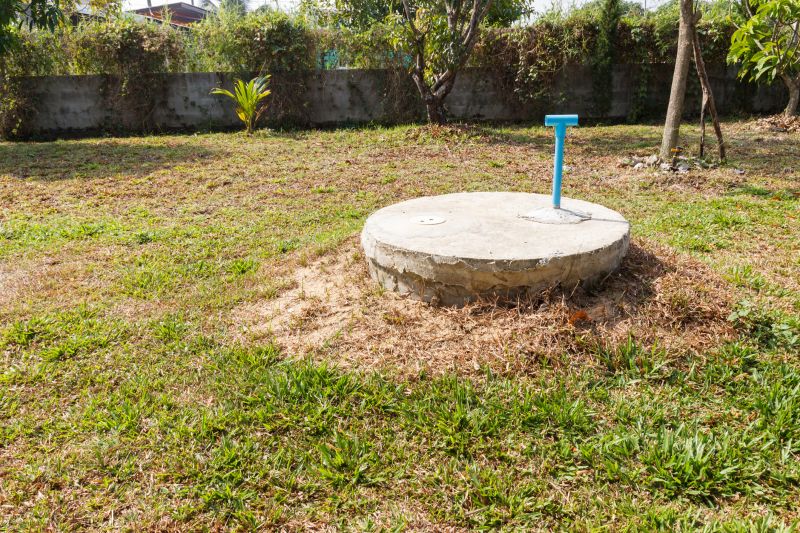
What is septic system relocation? It involves moving an existing septic system to a different location on a property to accommodate construction or improve functionality.
When is septic system relocation needed? Relocation may be necessary when building new structures, expanding existing ones, or if the current system is failing or improperly placed.
What should property owners consider before relocating a septic system? Factors include property layout, soil conditions, access points, and local regulations to ensure proper placement and compliance.
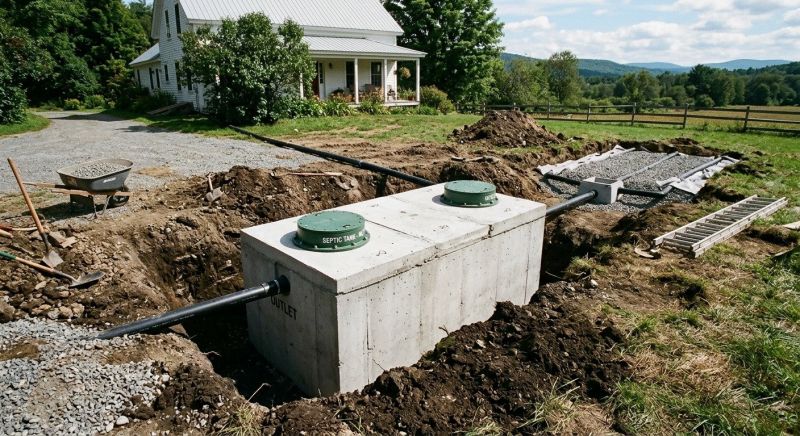
How does the process typically work? The process involves assessing the site, designing a new system location, obtaining permits, and carefully excavating and installing the system in the new spot.
Request Septic System Relocation in Austin, TX
Use the quote form on this page to share the basics of your project and request more information for the type of work you need.