Get Drain Field Assessing in Pueblo, CO
Drain field assessing services help Pueblo property owners identify and resolve septic system issues, ensuring proper function for projects like repairs, replacements, or system upgrades.
Property owners in Pueblo, CO considering a new or replacement drain field often find themselves exploring options to ensure proper system function and long-term reliability. Proper assessment is an essential step in planning projects related to septic systems, helping to identify suitable locations and evaluate existing conditions. Comparing local contractors who specialize in drain field assessments can provide valuable insights, making it easier to determine the best approach for your property’s specific needs.
Whether you're preparing for a property upgrade or troubleshooting an existing system, understanding the condition of your drain field is a practical move. Local service providers can offer expertise in evaluating site suitability, identifying potential issues, and supporting informed decision-making. Keep reading to learn more about how connecting with experienced professionals can help you navigate your project with confidence.
- Drain Field Evaluation - needed when property owners suspect system failure or want to verify proper functioning before purchasing a home in Pueblo neighborhoods.
- Soil Testing for Drain Fields - essential when assessing site suitability for new drain field installation or expansion in residential or commercial properties.
- Drain Field Inspection - recommended if there are signs of sewage backups, unpleasant odors, or standing water on the property.
- Drain Field Repair Assessment - required when existing systems show signs of damage or inefficiency, especially in older homes in nearby areas.
- Drain Field Replacement Consultation - necessary when a system has reached the end of its lifespan or cannot be repaired effectively.
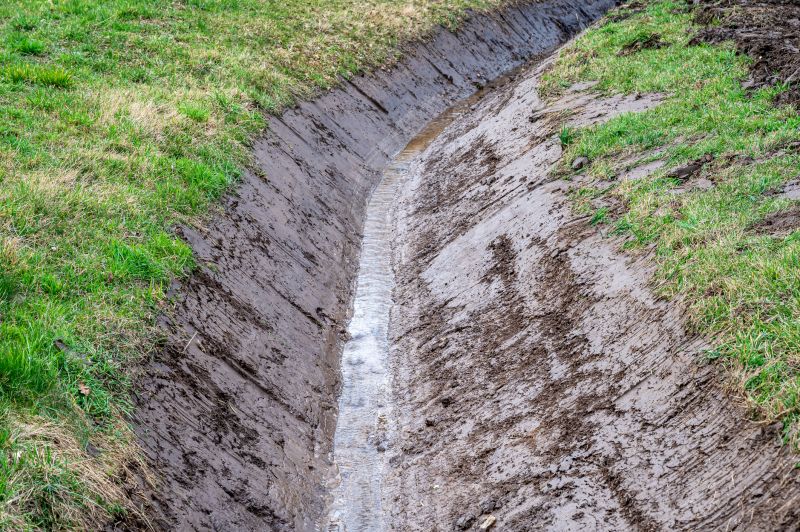
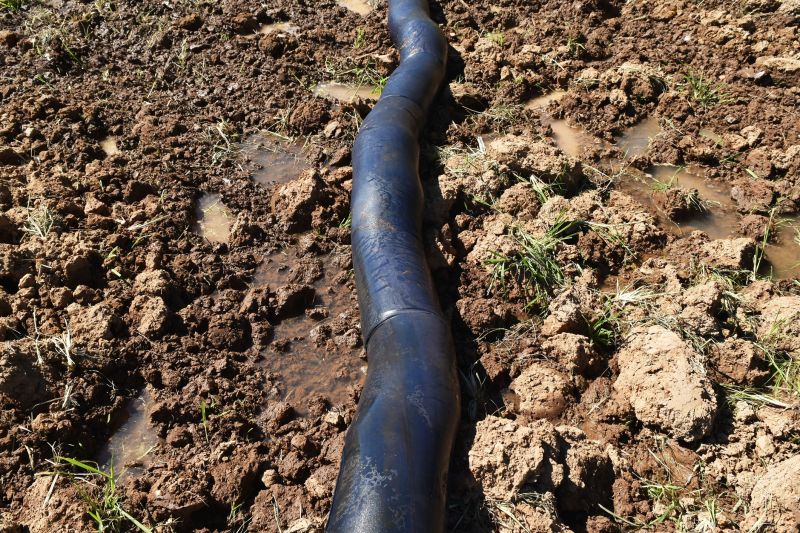
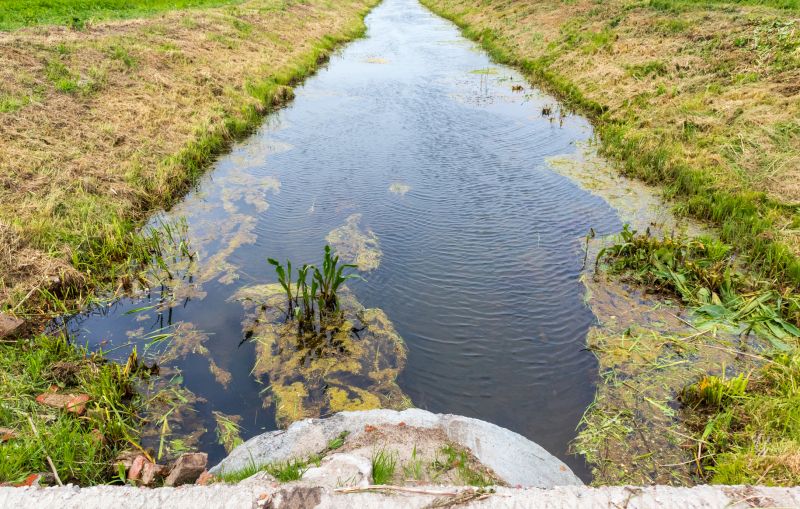
Drain field assessing services involve evaluating the condition and functionality of a property's underground wastewater disposal system. This process typically includes inspecting the drain field area, checking for signs of failure such as standing water, foul odors, or lush patches of grass that may indicate a leak or blockage. Service providers may also perform soil testing and use specialized equipment to assess how well the drain field is absorbing and dispersing wastewater. The goal is to identify any issues early on to prevent costly repairs or system failure, ensuring the septic system operates efficiently and effectively.
These assessments help resolve common problems associated with aging or damaged drain fields, such as slow drainage, sewage backups, or persistent odors. Over time, soil compaction, root intrusion, or system overload can impair the drain field’s ability to function properly. Detecting these issues early allows homeowners to plan repairs or replacements before the system fails completely, avoiding more extensive damage and inconvenience. Regular drain field evaluations are especially important for properties experiencing ongoing septic system problems or those preparing to buy or sell a home with an existing septic setup.
Drain field assessing services are frequently used by homeowners, property managers, and real estate professionals who own or manage properties with septic systems. They are particularly relevant for rural homes, vacation properties, or older residences where the septic system has been in place for many years. Commercial properties that rely on septic systems may also benefit from these evaluations to ensure compliance and proper functioning. In addition, property owners planning renovations or adding new structures may need assessments to confirm that the existing drain field can support increased usage.
Choosing the right local service provider for drain field assessments can help homeowners maintain a healthy septic system and avoid unexpected failures. These professionals bring experience in inspecting various types of drain fields, identifying potential problems, and recommending appropriate solutions. Whether dealing with persistent drainage issues, preparing for property transactions, or simply wanting peace of mind about the septic system’s condition, connecting with qualified local contractors can ensure the assessment is thorough and reliable. This proactive approach helps keep properties functioning smoothly and prevents larger, more costly repairs down the line.
The overview below groups typical Drain Field Assessing projects into broad ranges so you can see how smaller, mid-sized, and larger jobs often compare in Pueblo, CO.
In many markets, a large share of routine jobs stays in the lower and middle ranges, while only a smaller percentage of projects moves into the highest bands when the work is more complex or site conditions are harder than average.
Smaller Repairs - Most routine drain field repairs typically cost between $250 and $600. These projects often involve fixing leaks or minor clogs and are generally on the lower end of the cost spectrum. Larger or more complex repairs can push costs higher, but many jobs fall within this range.
Assessment and Inspection - A standard drain field assessment usually ranges from $150 to $400. This fee covers evaluating the system’s condition and identifying potential issues. Extensive inspections or additional testing may increase the cost, but most assessments stay within this range.
Full Drain Field Replacement - Replacing an entire drain field can cost between $3,000 and $7,000, depending on the size and complexity of the system. Many projects in this category are on the lower end, but larger or more intricate installations can reach higher costs.
Large or Complex Projects - Larger, more involved drain field projects can exceed $10,000, especially if extensive excavation or system modifications are needed. While these are less common, local contractors can provide estimates based on specific site conditions and project scope.
Actual totals will depend on details like access to the work area, the scope of the project, and the materials selected, so use these as general starting points rather than exact figures.
Septic System Inspection - Professionals assess the overall condition of septic systems, which involves evaluating drain fields similar to drain field assessments for proper function and soil conditions.
Soil Permeability Testing - This project involves testing soil absorption rates to determine suitability for drain fields, requiring skills in soil analysis and site evaluation.
Drainage System Design - Designing effective drainage solutions involves planning and understanding subsurface conditions, closely related to assessing drain field viability.
Leach Field Installation - Installing leach fields requires knowledge of soil characteristics and proper placement, making it comparable to drain field assessment projects.
Ground Penetrating Radar Surveys - Using radar technology to locate underground utilities or features shares technical skills with evaluating subsurface conditions for drain fields.
Environmental Site Assessment - Conducting site assessments to identify soil and groundwater conditions involves similar planning and soil analysis skills as drain field evaluations.
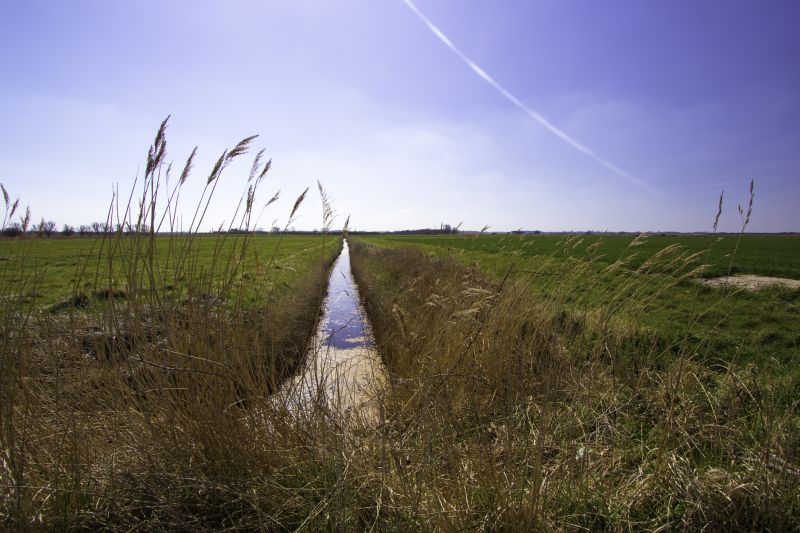
When selecting a service provider for drain field assessing, it’s important to consider their experience with similar projects in Pueblo, CO, and surrounding areas. An experienced contractor will have a clearer understanding of local soil conditions, regulations, and common challenges that can arise during the assessment process. Asking about their background with residential drain field evaluations can help ensure they have the practical knowledge needed to accurately evaluate your site and provide reliable recommendations.
Clear, written expectations are essential when comparing local contractors for drain field assessments. A reputable service provider should be able to explain their process, what the assessment will include, and any potential factors that could influence the outcome. Having these details in writing helps prevent misunderstandings and ensures that everyone is aligned on what the project entails. It’s also beneficial to inquire about the types of reports or documentation they will provide after the assessment, so that the scope and deliverables are transparent.
Reputable references and effective communication are key indicators of a trustworthy contractor. When evaluating local options, consider asking for references from previous clients who had similar assessments done. This can provide insight into the contractor’s reliability, professionalism, and quality of work. Additionally, good communication-such as prompt responses and willingness to answer questions-can make the process smoother and more transparent. Choosing a service provider who communicates clearly and has positive references can help ensure the assessment is thorough, accurate, and handled professionally.
Property owners in Pueblo, CO use Drain Field Assessing services for practical projects around their homes and businesses. This guide focuses on everyday jobs and straightforward project options.
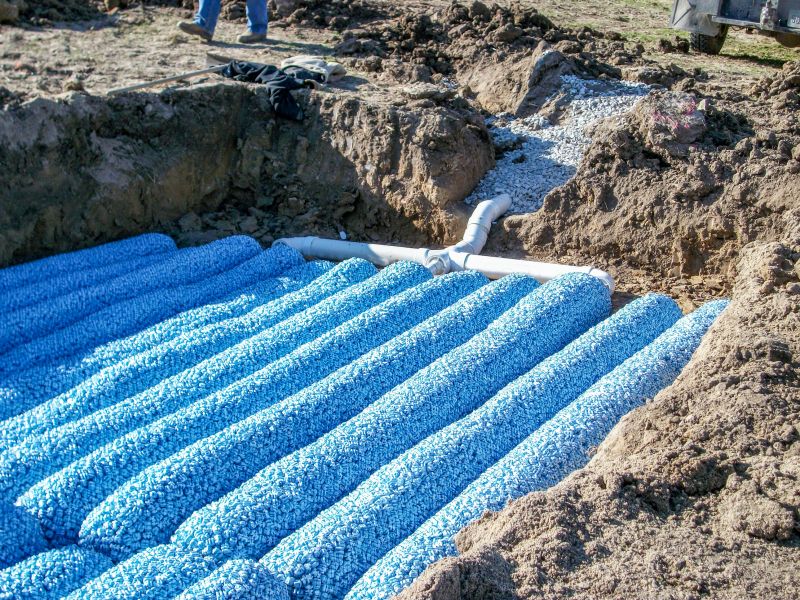
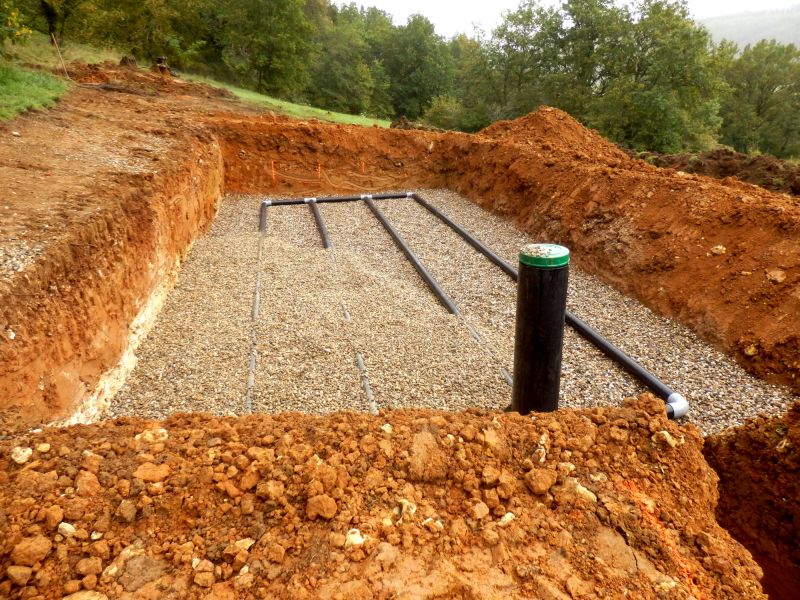
Drain field assessments are often needed when property owners in Pueblo, CO are experiencing issues with their septic systems, such as slow drainage or foul odors. Homeowners planning to upgrade or replace their existing septic systems may also seek evaluation services to ensure the new installation complies with local regulations and functions properly. Additionally, those preparing to sell their property might look for drain field inspections to provide potential buyers with confidence in the system’s condition and avoid future surprises.
In other cases, property owners might suspect that their drain field is failing due to standing water or lush patches of grass above the area, prompting a professional assessment. Rural property owners with larger parcels or new land developments often require drain field evaluations to determine the best placement and ensure proper system performance. Local contractors who specialize in drain field assessments can help identify issues early and provide guidance on necessary repairs or maintenance to keep septic systems operating smoothly.
What is drain field assessing? Drain field assessing involves evaluating the condition and functionality of a septic drain field to ensure it operates properly and meets local standards.
Why is drain field assessment important? Assessing a drain field helps identify potential issues early, preventing costly repairs and ensuring the septic system functions efficiently.
How do local contractors perform drain field assessments? They typically inspect the drain field for signs of failure, check soil absorption, and evaluate overall system performance using specialized techniques.
What signs indicate a drain field may need assessment? Signs include persistent odors, pooling water, lush grass over the area, or slow drainage in plumbing fixtures.
Can drain field assessments be scheduled as part of regular maintenance? Yes, many service providers recommend periodic assessments to maintain optimal septic system performance in Pueblo and nearby areas.
Drain Field Inspection - A thorough assessment can help property owners identify potential issues before they become costly repairs, ensuring the system functions properly.
System Evaluation - Local contractors can evaluate existing drain fields to determine if they need repairs or upgrades to support current usage needs.
Maintenance Planning - Property owners can use assessment services to develop a maintenance plan that prolongs the life of their drain field.
Installation Guidance - Assessments can assist in planning new drain field installations or replacements for improved performance and compliance.
If you are thinking about Drain Field Assessing for a property in Pueblo, CO, this guide is meant to help you understand the work, the typical project types, and how different options might fit your plans.
When you are ready, you can use the quote form on this page to share a few details about your project. From there, local pros can review the basics and respond with options that match what you have in mind.