Optimal Timing for Drain Field Assessments
Drain field assessments are essential for maintaining the functionality and longevity of septic systems. Timing plays a crucial role in ensuring accurate evaluations and effective maintenance. Understanding seasonal and environmental factors can help determine optimal periods for inspections.
Assessments are most effective during dry months when soil moisture levels are stable, allowing for accurate evaluation of drain field performance.
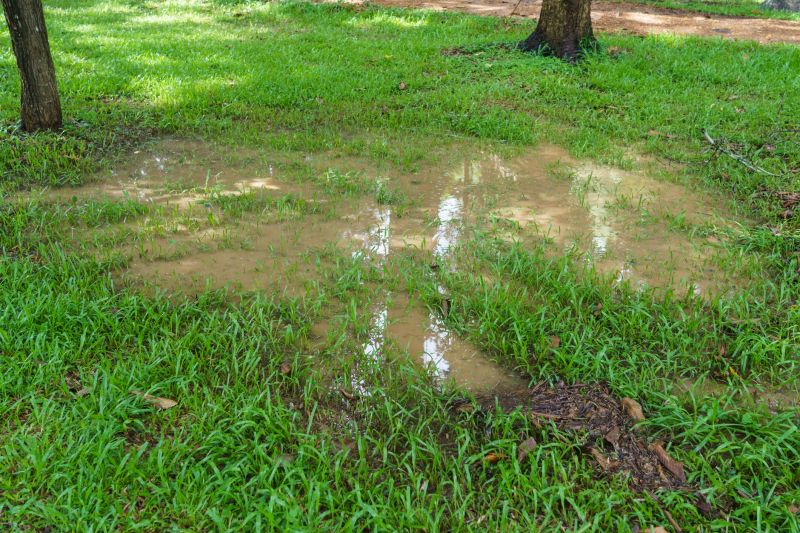
Avoid assessments during heavy rainfall or freezing conditions, as these can skew results and pose safety risks.
Timing assessments after periods of typical system use helps identify issues without interference from unusual activity.
Optimal times are when soil is neither overly saturated nor too dry, ensuring proper infiltration and drainage.
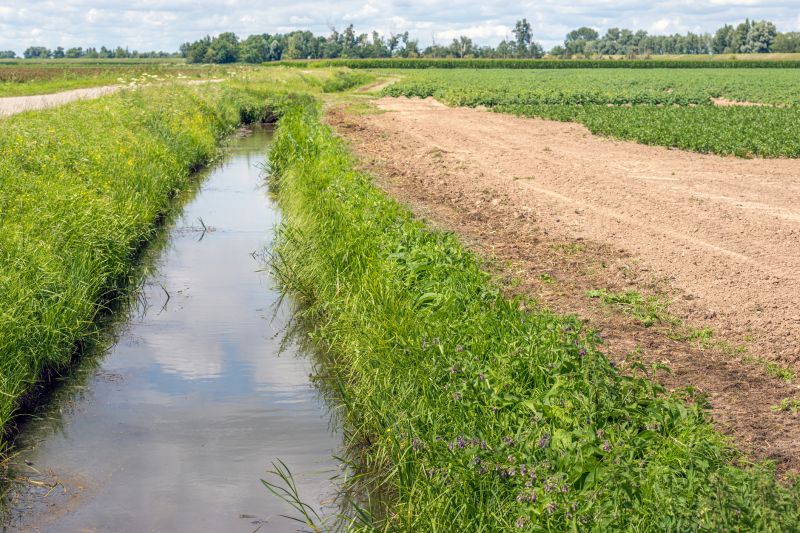
Technicians evaluate soil and system components during assessments.
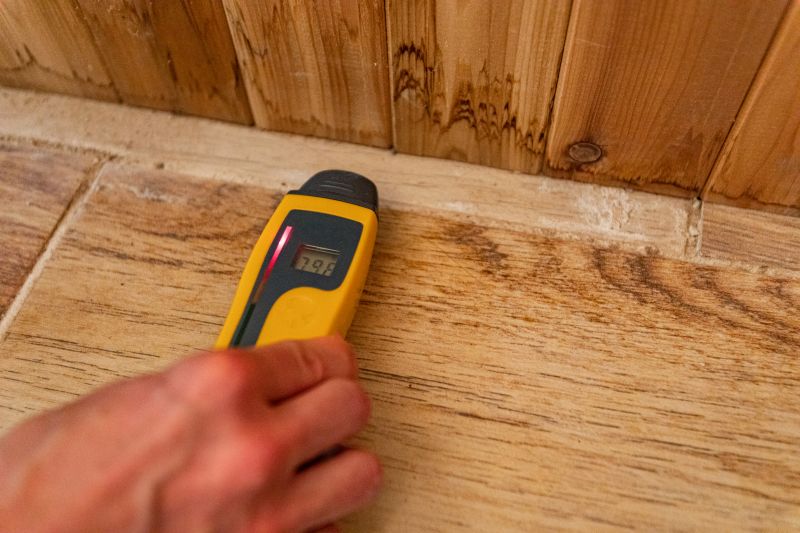
Tools used to measure moisture levels and soil composition.
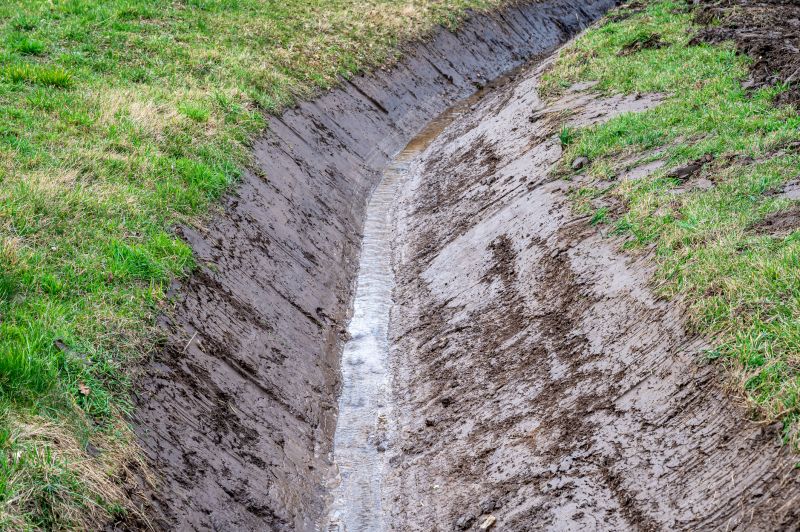
Different soil states across seasons impact assessment accuracy.
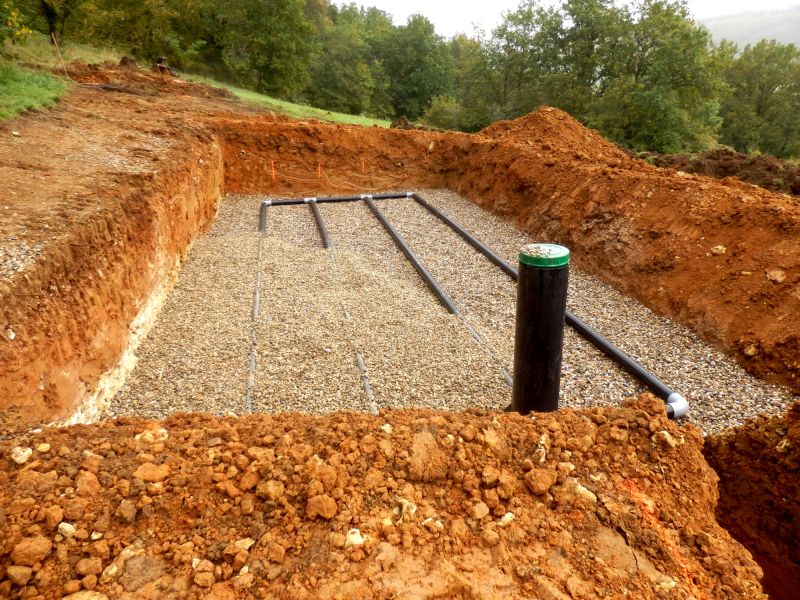
Ways to make Drain Field Assessings work in tight or awkward layouts.
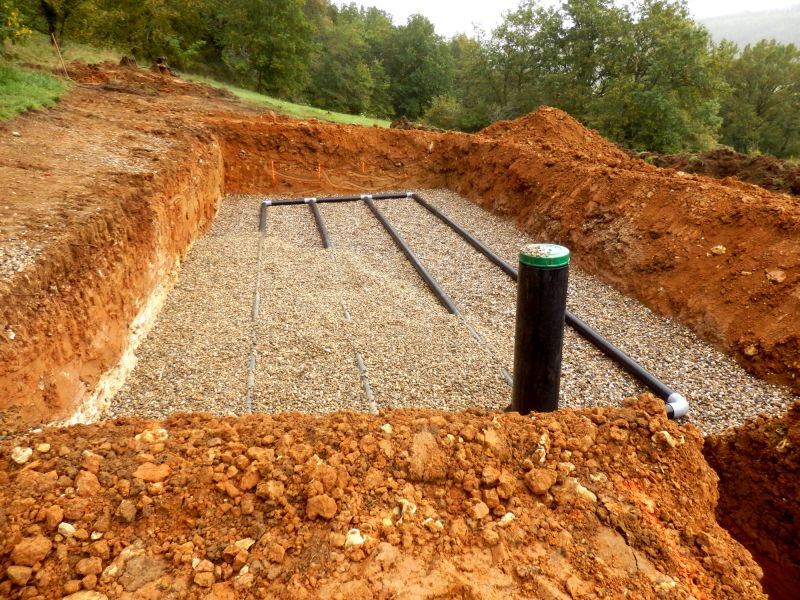
Popular materials for Drain Field Assessings and why they hold up over time.
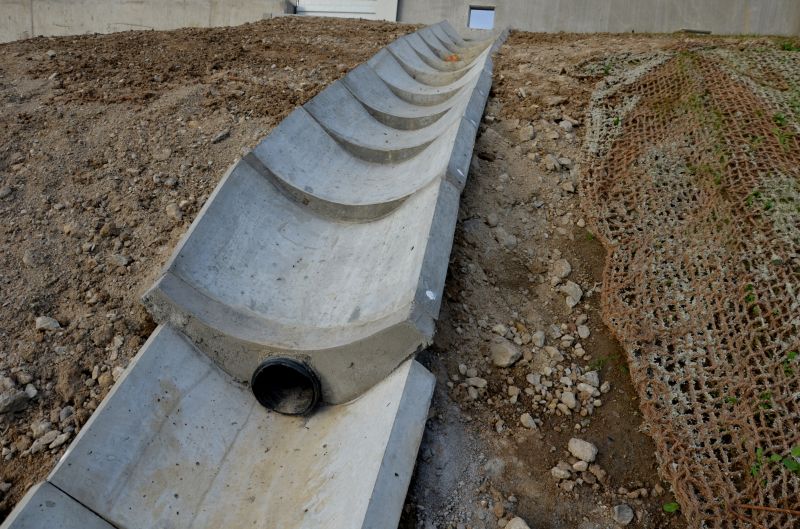
Simple add-ons that improve Drain Field Assessings without blowing the budget.
| Season | Recommended Timing |
|---|---|
| Spring | Late spring after snowmelt and before heavy rain |
| Summer | Early summer during dry weather |
| Fall | Early fall before leaf fall and after dry spells |
| Winter | Avoid assessments during freezing conditions |
Proper timing of drain field assessments ensures accurate detection of issues such as soil saturation, clogging, or system failure. Conducting inspections during optimal periods minimizes disruptions and enhances the reliability of findings. Regular evaluations help identify potential problems early, reducing costly repairs and extending the lifespan of septic systems.
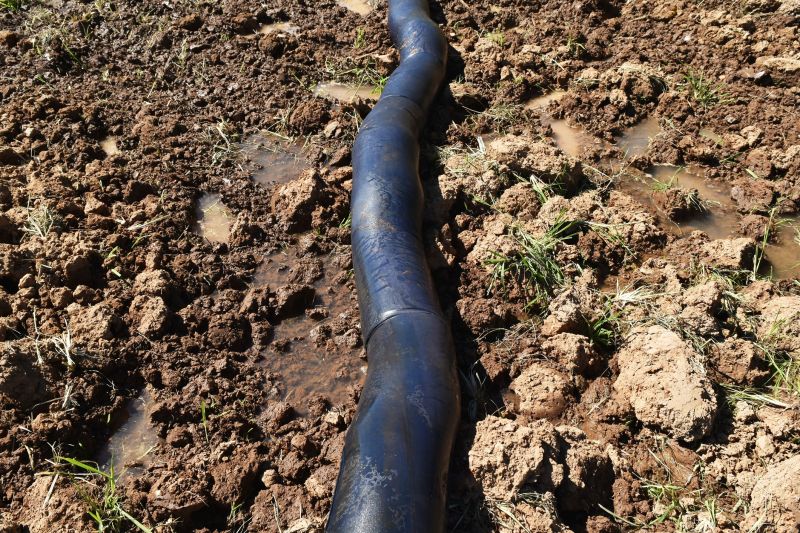
Assessing soil saturation levels for system performance.

Professional evaluating drain field components.
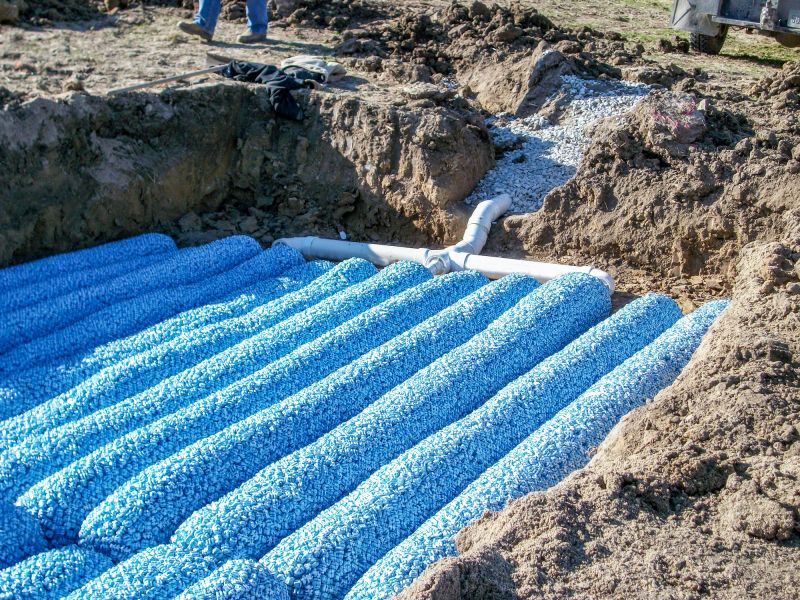
Visual inspection of pipes and gravel beds.
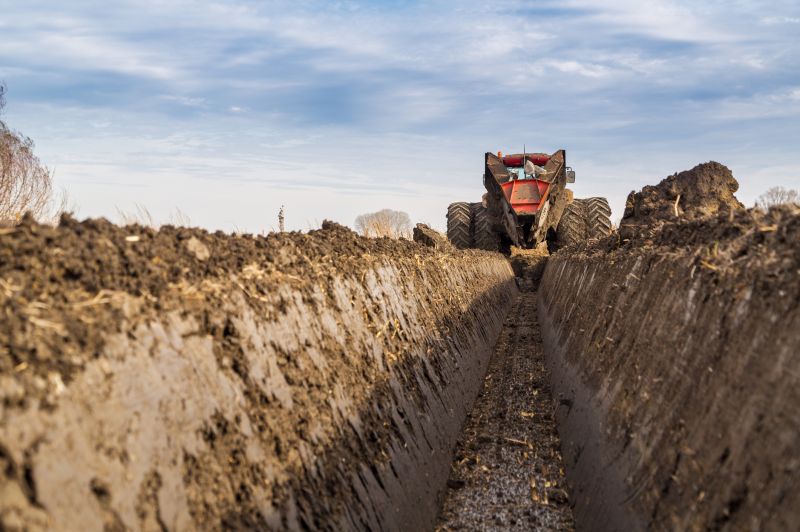
Variation in soil states across different times of year.
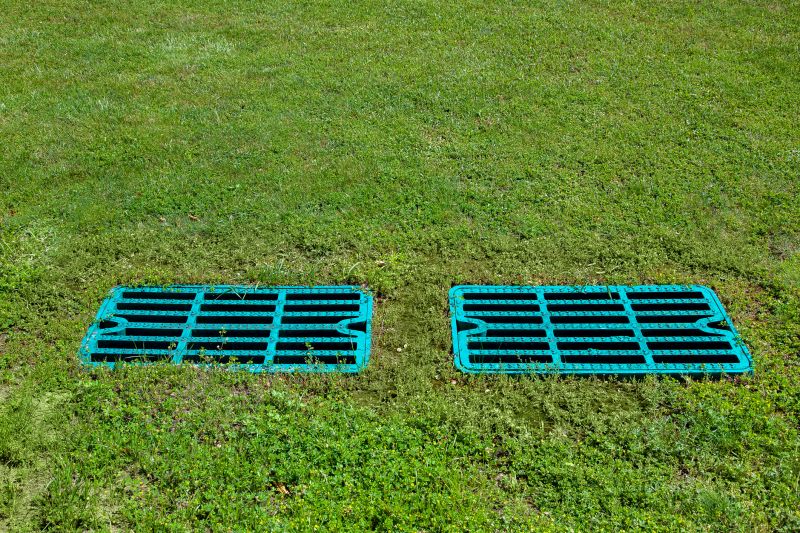
Finishes and colors that play nicely with Drain Field Assessings.
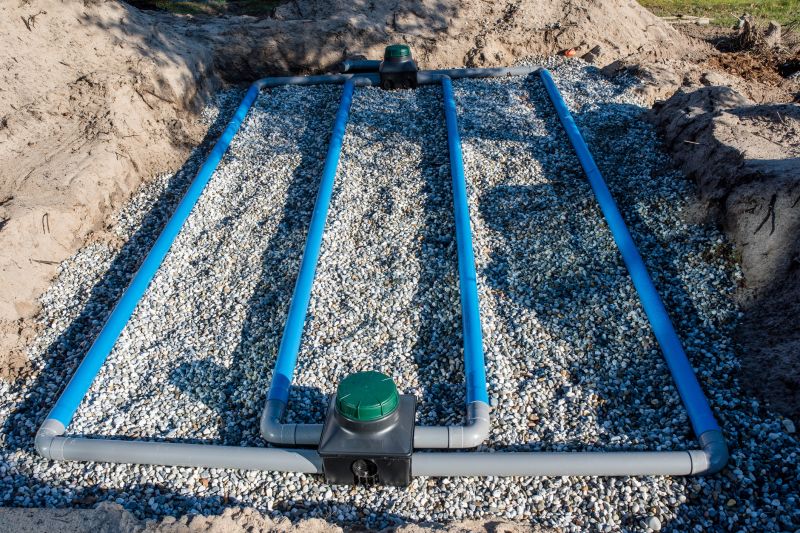
Little measurements that prevent headaches on Drain Field Assessings day.
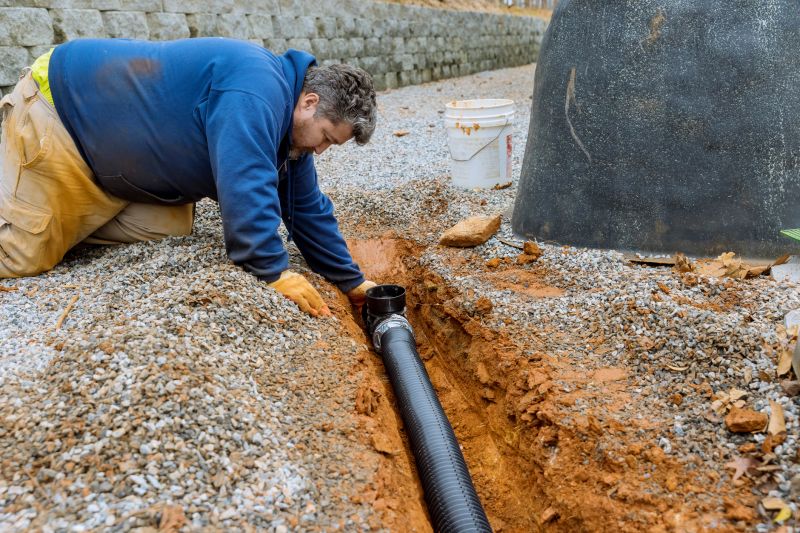
A 60-second routine that keeps Drain Field Assessings looking new.
A frequent mistake in Drain Field Assessings and how to dodge it.
Interested parties are encouraged to contact for more information on scheduling drain field assessments. Proper timing and regular evaluations contribute to system efficiency and longevity, ensuring optimal operation and avoiding costly repairs.